Published November 4, 2026
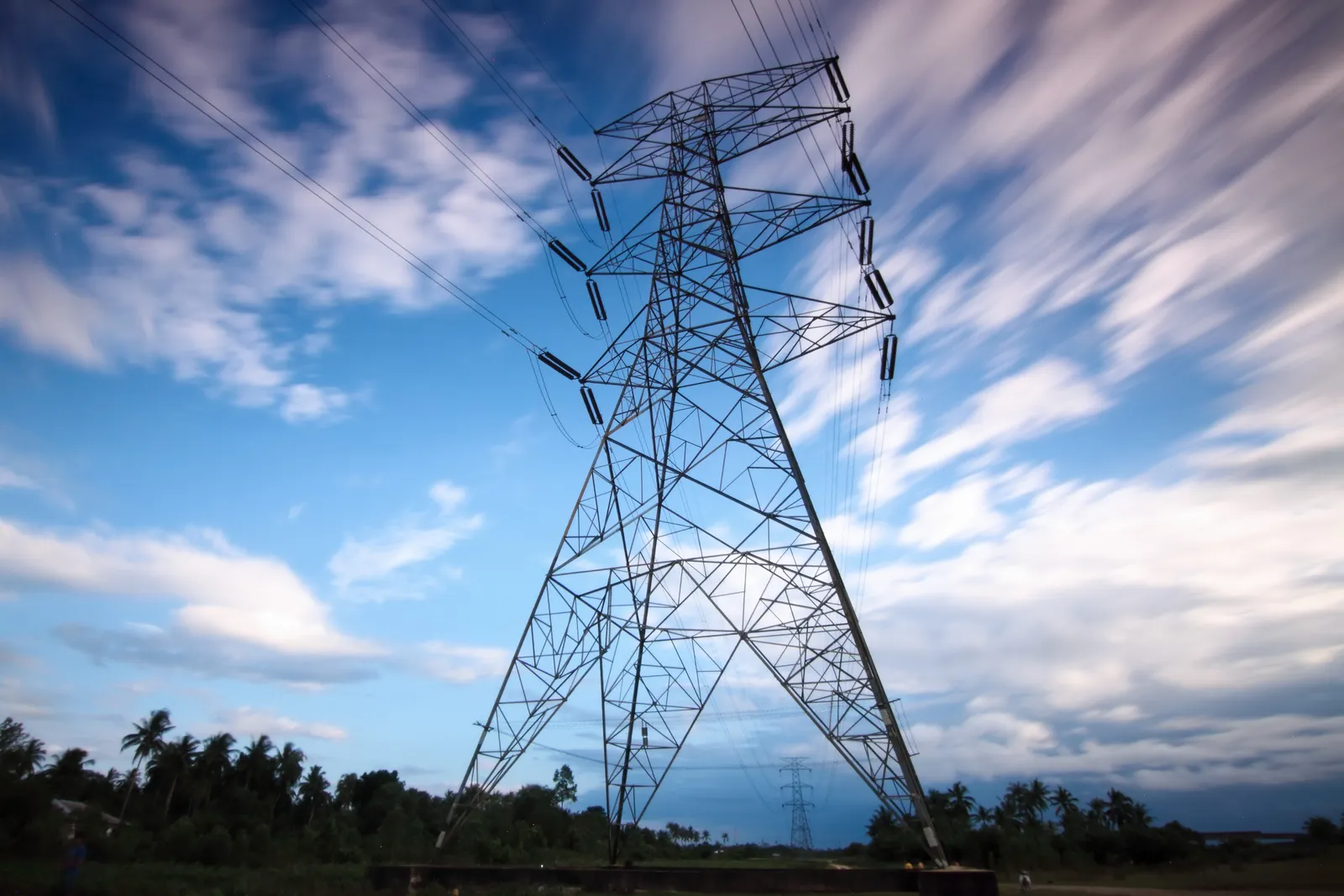
765 kV transmission is back on American planning maps, at a scale the industry hasn’t attempted in decades.
In December, ERCOT’s board approved a $9.4 billion 765 kV Eastern Backbone, the most expensive project in the grid operator’s history. In February, PJM’s board approved $11.8 billion in new transmission, including new 765 kV lines in Ohio and an underground HVDC line built to carry 3,000 MW into Northern Virginia’s data center corridor. MISO’s $21.8 billion Tranche 2.1 portfolio is organized around a 765 kV spine across the Midwest.
This is overdue, and it’s good news. Load growth on this scale needs new wires, and no amount of clever operation replaces them. Grid-enhancing technologies, flexible load, and better planning all help. None of them is a substitute for a backbone.
The harder question is which backbone, and in what order.
The constraint isn’t only permitting anymore
For years, the story of transmission delay was siting and permitting. Those haven’t gone away, and now the equipment has joined them. Lead times for the largest power transformers run up to four years, and prices have climbed roughly 80% over five years. High-voltage breakers, conductor, and the specialized crews that string 765 kV lines are all spoken for well in advance.
That changes what a planning decision is. Every transformer and every mile of line is a scarce slot in someone’s manufacturing queue. The question used to be what fixes the violation. Now it’s also what makes the best use of the equipment a utility can actually get, delivered in the order it can get it.
Alternatives as bridges
In that world, the alternatives matter more. Reconductoring an existing line with advanced conductors can roughly double its capacity within the right-of-way it already has, according to research from UC Berkeley and GridLab. Dynamic line ratings, power flow control, and transmission switching can free up capacity in the hours it’s needed most. FERC’s Order 1920 requires regional planners to consider all four, and its June large-load orders ask for a clear demonstration whenever a study passes them over.
Used well, these are bridges. They connect load and relieve constraints while the backbone gets permitted, procured, and built, and they keep scarce equipment for the places only new steel can fix. Used poorly, or skipped because nobody had time to evaluate them, they leave money on the table and customers waiting.
An option space no team can hand-build
Deciding where to build new steel and where a bridge will do, and in what sequence, is a planning problem with an enormous option space: new corridors, upgrades, alternative technologies, each tested against a full year of load and generation conditions and ranked on reliability, cost, and how soon it can realistically be delivered. A planning team working by hand in a handful of peak cases can only sample it.
And every choice will be read closely. Competitive windows score proposals against each other. Simulating thousands of candidate plans across a full year of operating conditions is how planners find the one that actually solves the system, instead of the best of the few that happened to get studied. A plan that can show every option it considered, and why each lost, is a plan that holds up.
Where ThinkLabs fits
This is where the utilities and transmission developers we work with are putting their attention. ThinkLabs builds AI for the electric grid. For transmission expansion, our platform screens thousands of candidates against a utility’s own network model and forecast across all 8,760 hours, prunes them on physics and engineering merit, and returns ranked, buildable portfolios with a documented record of every option assessed. The engineers make the call, with the whole option space in view.
Construction will always move at the speed of steel and permitting. Planning can move at the speed of software. Let’s build the backbone, and let’s build the right one.